Research

Papers & publications

Recent Working Papers

Measuring Inflation Shock Momentum

with Kevin Lansing

FRBSF Working Paper · April 2026

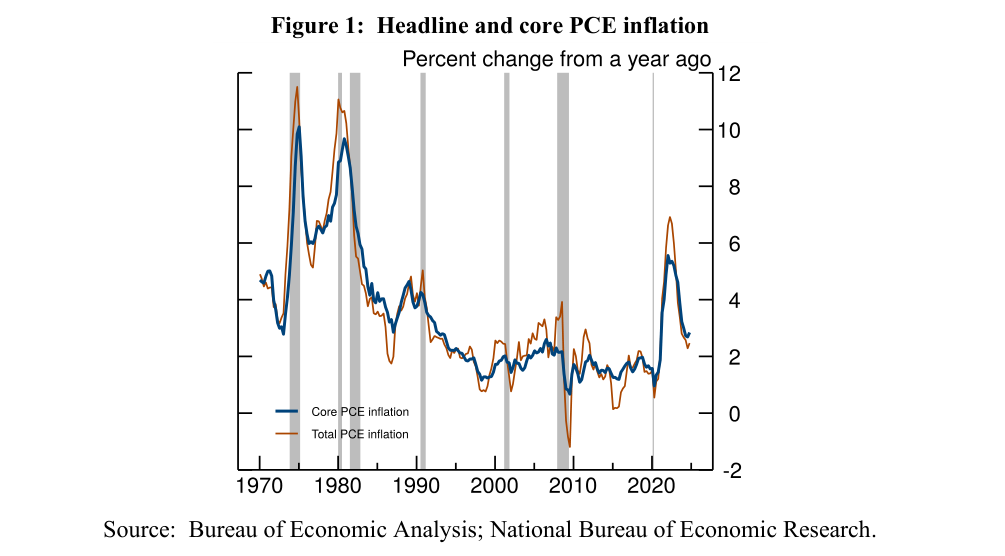
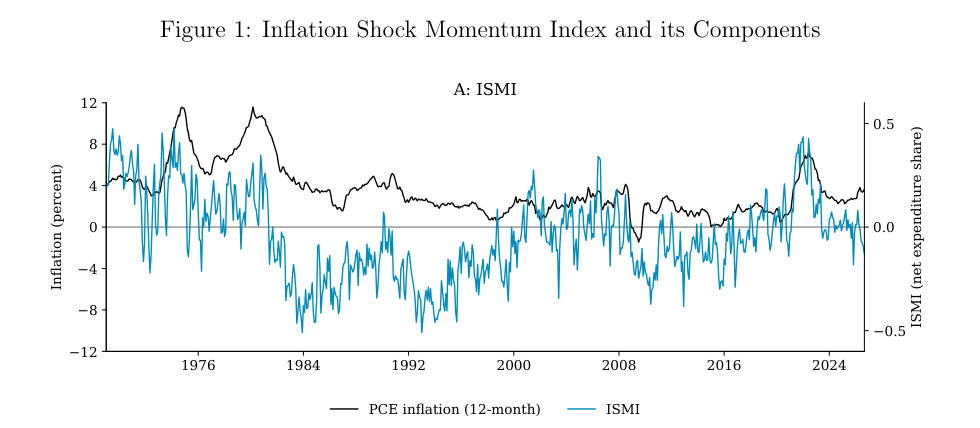
Inflation Shock Momentum Index and PCE inflation
Abstract for Measuring Inflation Shock Momentum

We develop a non-parametric filter that identifies sustained directional runs in shocks to monthly inflation—a concept we define as “inflation shock momentum.” By assessing the shocks to over 100 disaggregated Personal Consumption Expenditures (PCE) inflation categories, we isolate the share of categories experiencing positive or negative inflation shock momentum in a given month. We define the “Inflation Shock Momentum” (ISM) index as the net positive momentum share of expenditure-weighted categories (positive minus negative) in a given month. We show that the ISM index helps to forecast aggregate PCE inflation at horizons of 1 to 3 years, even after controlling for a variety of other inflation predictor variables. The ISM index is particularly useful in capturing emerging disinflationary pressure and can be used to help forecast future inflation movements in real time.
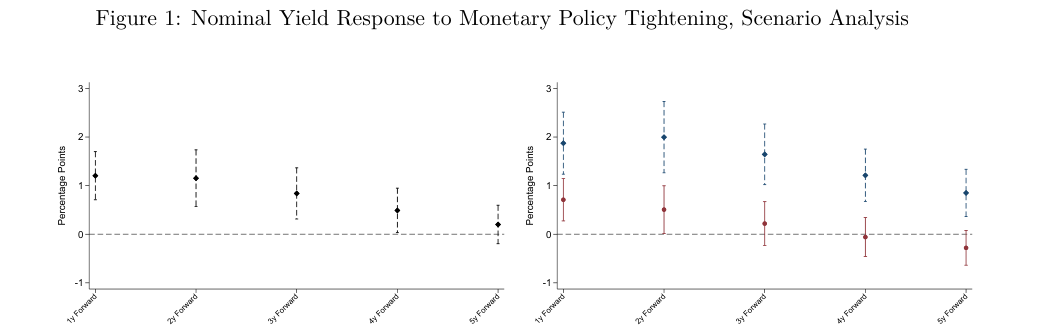
Treasury yield responses to monetary policy tightening
Abstract for Not all inflation is the same: State-dependent Transmission of Monetary Policy

We show that the underlying source of inflation impacts financial market perceptions of the persistence of monetary policy tightening. Investors expect policy tightening to be more persistent inflation is driven by demand factors. During supply-driven episodes, however, investors perceive tightening as less persistent and less effective at producing a disinflation. These results point to a state-dependent financial market response to monetary policy: credibility, and therefore financial-market transmission, depends on what kind of inflation the central bank is perceived to be fighting.

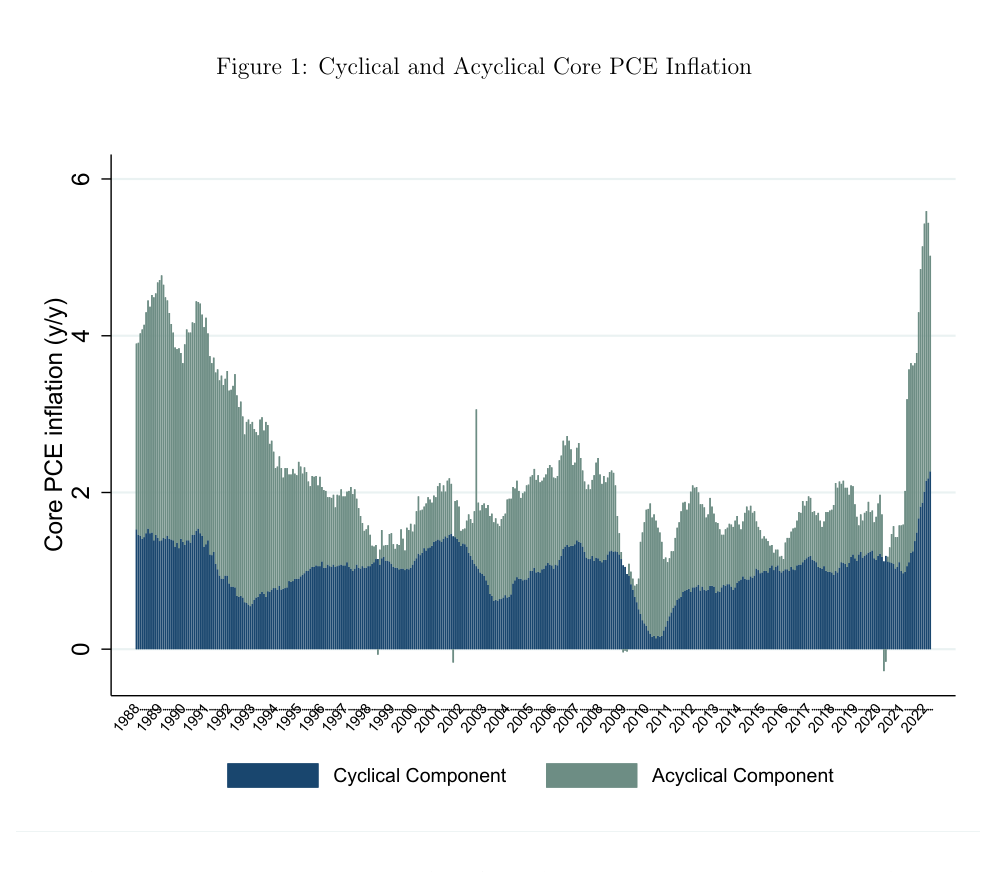
Cyclical and acyclical contributions to core PCE inflation
Abstract for A Simple Framework to Monitor Inflation

This paper proposes a simple framework to help monitor and understand movements in PCE inflation in real time. The approach is to decompose inflation using simple categorical-level regressions or systems of equations. The estimates are then used to group categories into components of PCE inflation. I review some applications of the methodology, and show how it can help explain inflation dynamics over recent episodes. The methodology shows that inflation remained low in the mid-2010s primarily because of factors unrelated to aggregate economic conditions. I also apply the methodology to the Covid-19 pandemic. The decomposition reveals that a majority of elevated inflation in core PCE inflation in the 2021-2022 period was due to “Covid-sensitive” categories, that is, those categories where prices and quantities moved the most at the onset of the pandemic. Finally, I show how the methodology can be applied in a dynamic fashion, labeling categories as either supply- or demand-driven by month. This decomposition allows one to assess the extent to which supply and demand factors are impacting inflation.

Publications

News Selection and Household Inflation Expectations

with Ryan Chahrour and Daniel Wilson

FRBSF Working Paper · April 2025.

Conditionally accepted, AEJ: Macroeconomics

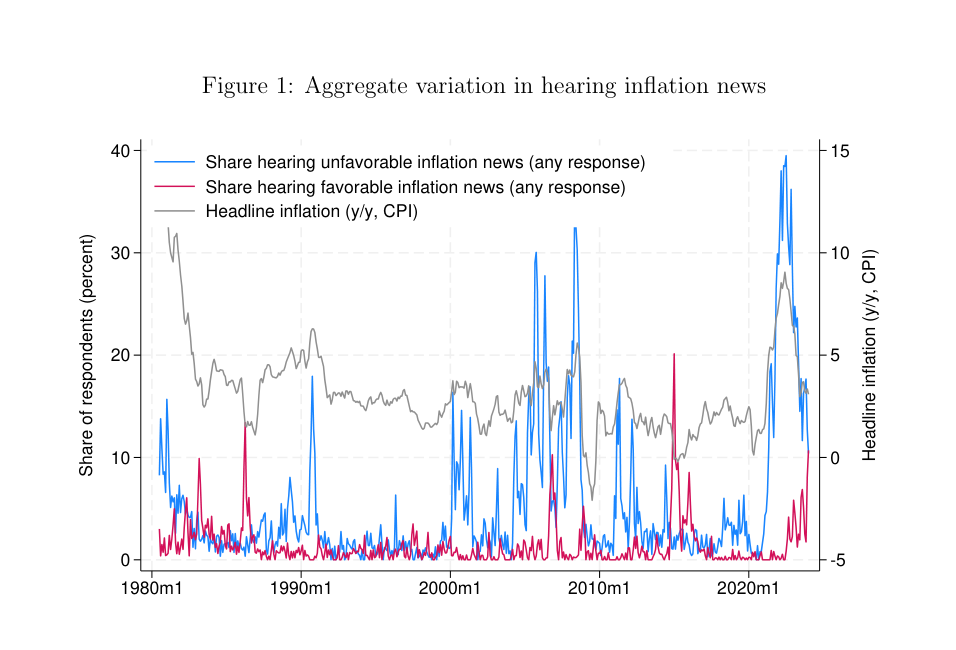
Aggregate variation in hearing inflation news
Abstract for News Selection and Household Inflation Expectations

We examine the impact of systematic media reporting on household inflation expectations, focusing on how selective news coverage influences household responses to inflation news. In a model where monitoring all economic developments is costly, households will account for news selection when forming inflation expectations. The model implies an asymmetry: news about high inflation influences inflation expectations more than news about low inflation. Using micro panel data, we find support for this hypothesis. Exposure to news about higher prices increases household inflation expectations by approximately 0.4 percentage point, whereas exposure to news about lower prices has no discernible effect.

Are Medicaid and Medicare Patients Treated Equally?

with Calvin Ackley, Abe Dunn, Eli Liebman

FRBSF Working Paper · May 2024.

Conditionally accepted, AEJ: Economic Policy

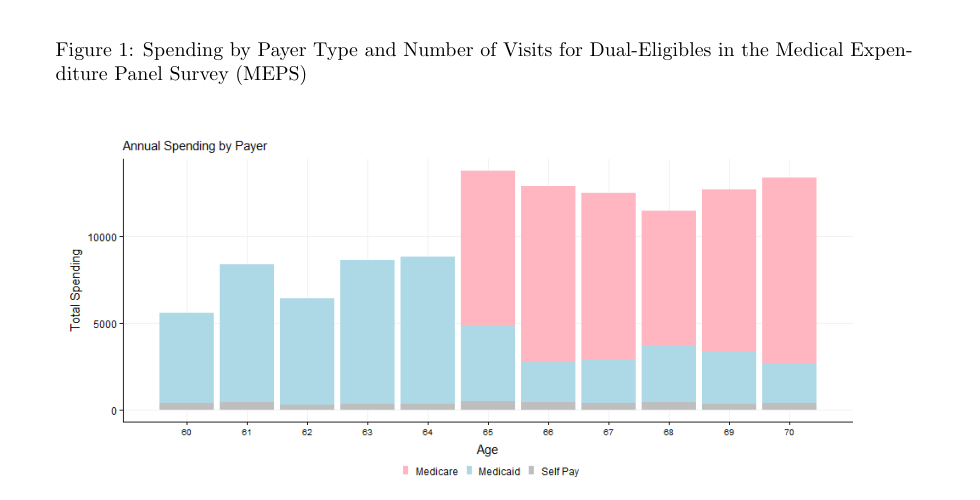
Health spending by payer type for dual-eligible patients
Abstract for Are Medicaid and Medicare Patients Treated Equally?

We examine whether Medicaid recipients receive the same health care services as those on Medicare. We track the services provided to the same individual as they age into Medicare from Medicaid at age 65, becoming dual enrolled. Cost sharing remains negligible across the insurance switch, implying that observed changes in care utilization re ects supply-side factors. Utilization increases by about 20 percent upon switching to Medicare, across a range of categories and treatments including high-value care. We find that 60 to 90 percent of the increase in office visits is explained by physicians averse to accepting new Medicaid patients. Geographic variation in our estimates shows that the average increase in utilization is larger in those states with lower Medicaid acceptance rates and higher Medicare acceptance rates. By contrast, we find relatively small increases in care from existing provider-patient relationships with Medicaid providers. This analysis indicates that Medicaid's smaller provider network plays a large role in limiting utilization.

Decomposing Supply and Demand Driven Inflation

Journal of Money, Credit & Banking Volume 58(2), pages 365-388. March 2026

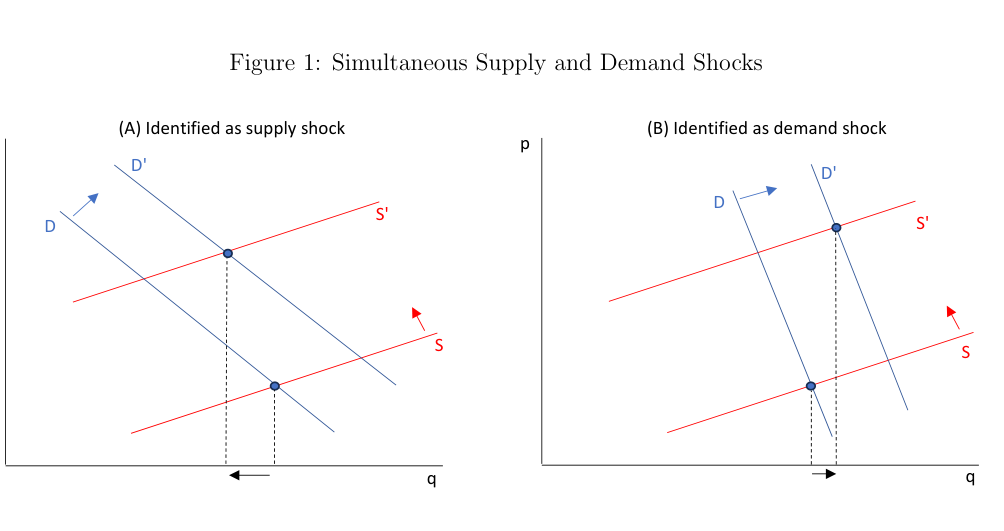
Supply and demand shifts in a price-quantity diagram
Abstract for Decomposing Supply and Demand Driven Inflation

The extent to which either supply or demand factors drive inflation has important implications for economic policy. I propose a framework to decompose inflation into supply- and demand-driven components. I generate two new data series, the supply and demand-driven contributions to personal consumption expenditures (PCE) inflation, which quantify the degree to which either demand or supply is driving inflation in a current month. The series show expected time-series patterns. The demand-driven contribution tends to decline during recessions, while the supply-driven contribution tends to follow food and energy prices. Monetary policy tightening acts to reduce the demand-driven contribution of inflation. Oil-supply shocks act to increase the supply driven contribution, but decrease the demand-driven contribution of inflation. The decompositions can be used to test theory or by policymakers and practitioners to track inflation drivers in real time.
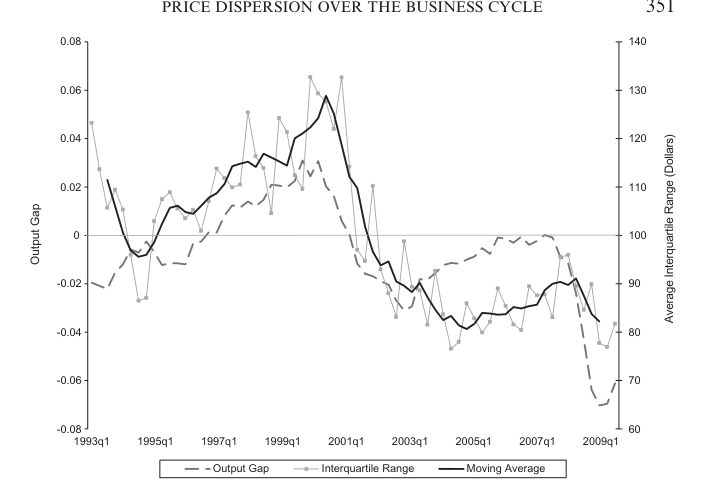
Monetary Tightening and Financial Stress during Supply- versus Demand-driven Inflation

with Frederic Boissay, Fabrice Collard, Cristina Manea

International Journal of Central Banking Volume 21(2). April 2025

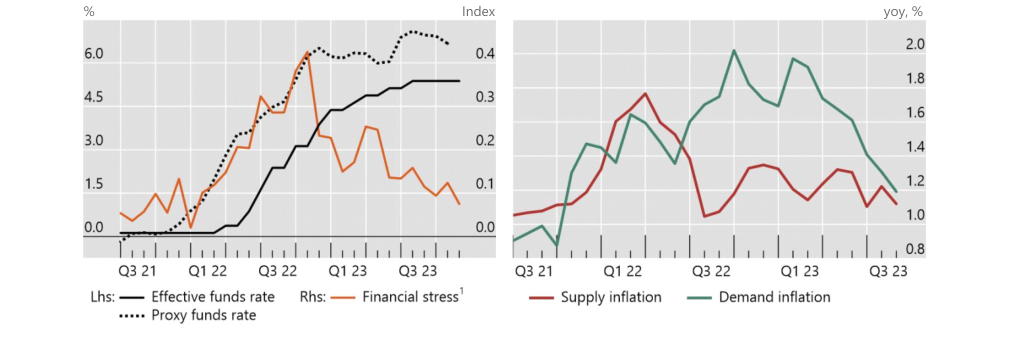
Financial stress and inflation drivers during monetary tightening
Abstract for Monetary Tightening and Financial Stress during Supply- versus Demand-driven Inflation

The paper explores the state–dependent effects of a monetary policy tightening on financial stress, focusing on a novel dimension: whether inflation is driven by supply factors versus demand factors at the time of the policy intervention. We use local projections to estimate the effect of high frequency identified monetary policy surprises on a variety of financial stress measures, differentiating the effects based on whether inflation is supply–driven or demand–driven. We find that financial stress flares up after a monetary tightening when inflation is supply–driven whereas it remains roughly unchanged or even declines when inflation is demand–driven. Our findings point to a potential trade–off between price and financial stability when inflation is high and driven by supply factors.

Phillips meets Beveridge

with Regis Barnichon

Journal of Monetary Economics, Volume 148, 103660. November 2024.

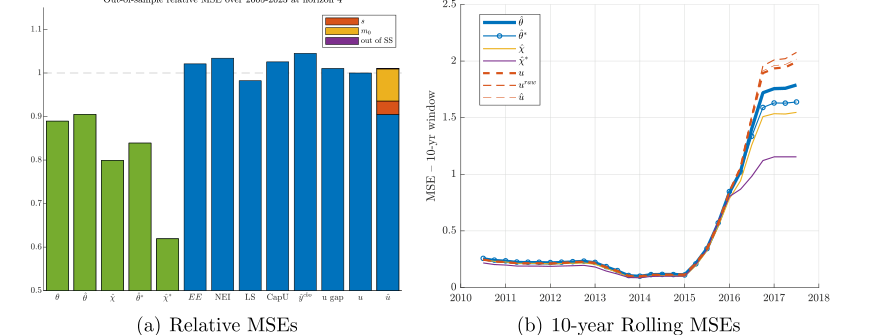
Comparative inflation forecasting performance
Abstract for Phillips meets Beveridge

The Phillips curve plays a central role in the macroeconomics literature. However, there is little consensus on the forcing variable that drives inflation in the model, i.e., on the appropriate measure of “slack” in the economy. In this work, we systematically assess the ability of variables commonly used in the literature to (i) predict and (ii) explain inflation fluctuations over time and across U.S. metropolitan areas. In particular, we exploit a newly constructed panel dataset with job openings and vacancy filling cost proxies covering 1982-2022. We find that the vacancy-unemployment (V/U) ratio and vacancy filling cost proxies outperform other slack measures, in particular the unemployment rate. Beveridge curve shifts—notably, movements in matching efficiency—are responsible for the superior performance of the V/U ratio over unemployment.

A Denial a Day Keeps the Doctor Away

with Abe Dunn, Joshua Gottlieb, Daniel Sonnenstuhl, and Pietro Tebaldi

The Quarterly Journal of Economics Volume 139, Issue 1, Pages 187–233 February 2024.

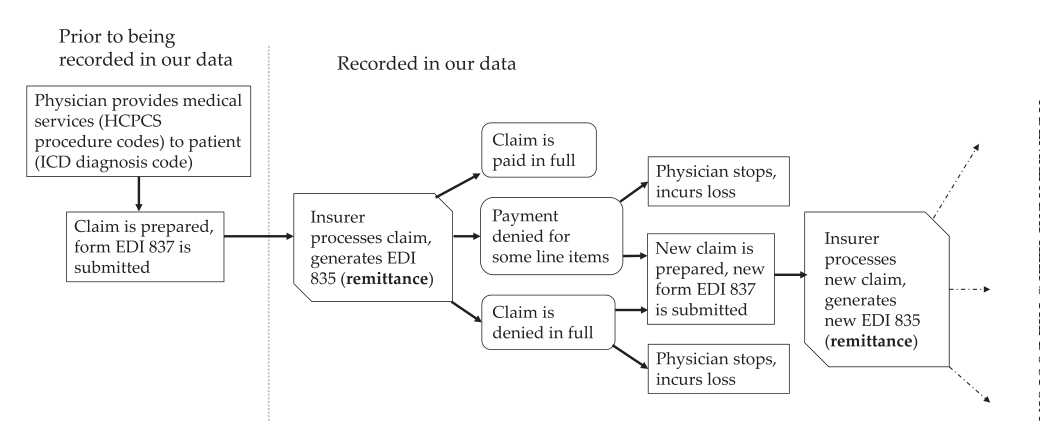
Overview of the health insurance billing process
Abstract for A Denial a Day Keeps the Doctor Away

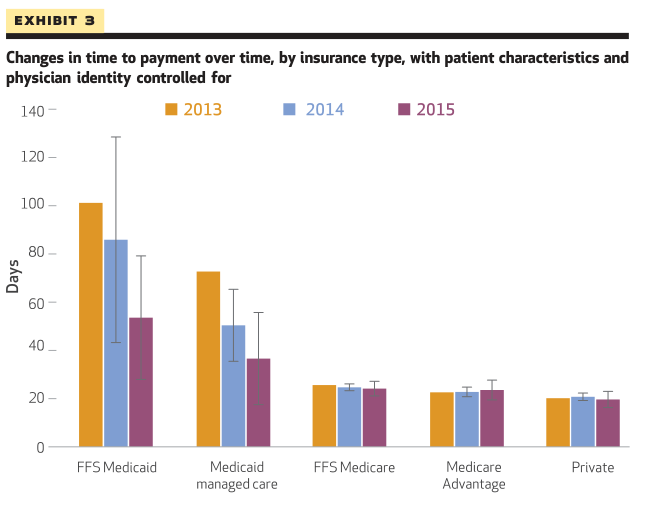
Who bears the consequences of administrative problems in healthcare? We use data on repeated interactions between a large sample of U.S. physicians and many different insurers to document the complexity of healthcare billing, and estimate its economic costs for doctors and consequences for patients. Observing the back-and-forth sequences of claim denials and resubmissions for past visits, we can estimate physicians’ costs of haggling with insurers to collect payments. Combining these costs with the revenue never collected, we estimate that physicians lose 18% of Medicaid revenue to billing problems, compared with 4.7% for Medicare and 2.4% for commercial insurers. Identifying off of physician movers and practices that span state boundaries, we find that physicians respond to billing problems by refusing to accept Medicaid patients in states with more severe billing hurdles. These hurdles are quantitatively just as important as payment rates for explaining variation in physicians’ willingness to treat Medicaid patients. We conclude that administrative frictions have first-order costs for doctors, patients, and equality of access to healthcare. We quantify the potential economic gains—in terms of reduced public spending or increased access to physicians—if these frictions could be reduced, and find them to be sizable.

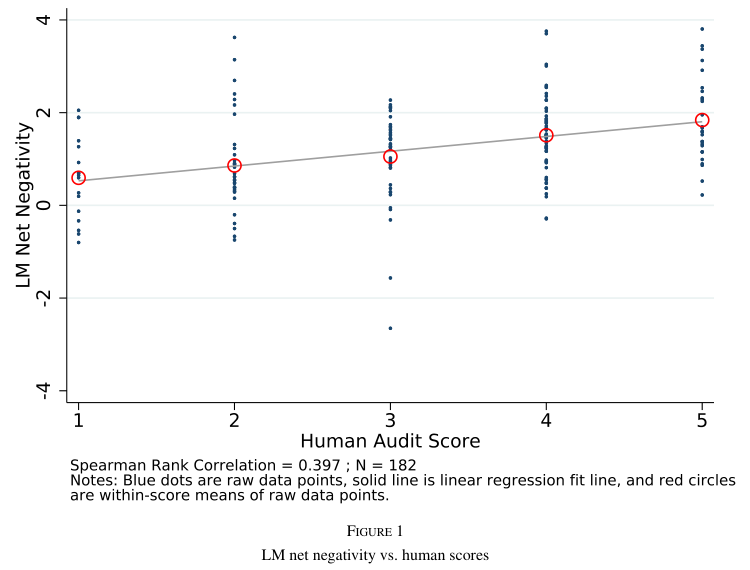
Text-based negativity scores and human ratings
Abstract for Taking the Fed at its Word: A New Approach to Estimating Central Bank Objectives using Text Analysis

We propose a new approach to estimating central bank preferences, including the implicit inflation target, that requires no priors on the underlying macroeconomic structure nor observation of monetary policy actions. Our approach entails directly estimating the central bank’s objective function from the sentiment expressed by policymakers in their internal meetings. We apply the approach to the objective function of the U.S. Federal Open Market Committee (FOMC). The results challenge two key aspects of conventional wisdom regarding FOMC preferences. First, the FOMC had an implicit inflation target of approximately 112% on average over our baseline 2000–11 sample period, significantly below the commonly assumed value of 2. Second, the FOMC’s loss depends strongly on output growth and stock market performance and less so on their perception of current economic slack.

Measuring News Sentiment

with Moritz Sudhof and Daniel Wilson

Journal of Econometrics Volume 228, Issue 2, Pages 221-243. June 2022

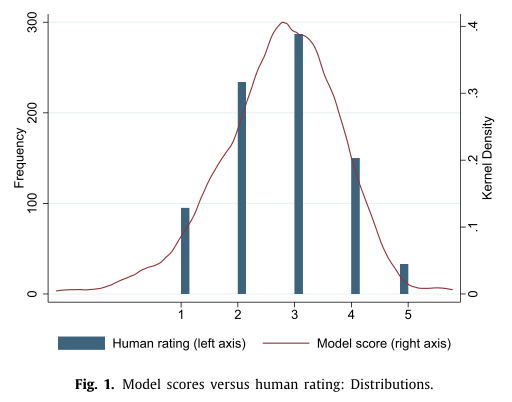
Distribution of news sentiment model scores
Abstract for Measuring News Sentiment

This paper demonstrates state-of-the-art text sentiment analysis tools while developing a new time-series measure of economic sentiment derived from economic and financial newspaper articles from January 1980 to April 2015. We compare the predictive accuracy of a large set of sentiment analysis models using a sample of articles that have been rated by humans on a positivity/negativity scale. The results highlight the gains from combining existing lexicons and from accounting for negation. We also generate our own sentiment-scoring model, which includes a new lexicon built specifically to capture the sentiment in economic news articles. This model is shown to have better predictive accuracy than existing “off-the-shelf” models. Lastly, we provide two applications to the economic research on sentiment. First, we show that daily news sentiment is predictive of movements of survey-based measures of consumer sentiment. Second, motivated by Barsky and Sims (2012), we estimate the impulse responses of macroeconomic variables to sentiment shocks, finding that positive sentiment shocks increase consumption, output, and interest rates and dampen inflation.

Using Brexit to Identify the Nature of Price Rigidities

with Bart Hobijn and Fernanda Nechio

Journal of International Economics, Vol 130, 103448. May 2021.

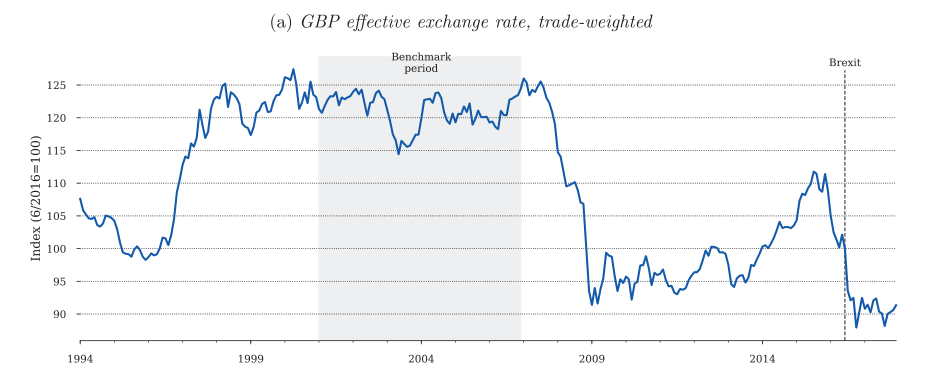
UK exchange rate around the Brexit referendum
Abstract for Using Brexit to Identify the Nature of Price Rigidities

Using price quote data that underpin the official U.K. consumer price index (CPI), we analyze the effects of the unexpected passing of the Brexit referendum to the dynamics of price adjustments. The sizable depreciation of the British pound that immediately followed Brexit works as a quasi-experiment, enabling us to study the transmission of a large common marginal cost shock to inflation as well as the distribution of prices within granular product categories. A large portion of the inflationary effect is attributable to the size of price adjustments, implying that a time-dependent price-setting model can match the response of aggregate inflation reasonably well. The state-dependent model fares better in capturing the endogenous selection of price changes at the lower end of the price distribution, however, it misses on the magnitude of the adjustment conditional on selection.

De-leveraging or De-Risking? How Banks Cope with Loss

with Rhys Bidder and John Krainer

Review of Economic Dynamics. Vol 39, 100-127. January 2021.

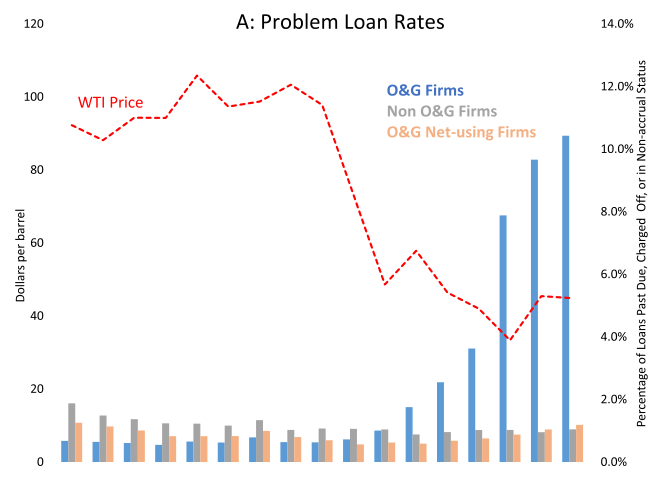
Oil prices and problem loans
Abstract for De-leveraging or De-Risking? How Banks Cope with Loss

We use variation in banks’ loan exposure to industries adversely affected by the oil price declines of 2014 to explore how they respond to a net worth shock. Using granular data obtained under the Fed’s stress testing programs we show that exposed banks tightened credit on corporate lending and on mortgages that they would ultimately hold on their balance sheet. However, they expanded credit for mortgages to be securitized, particularly those that are government-backed. Thus, banks re-balance their portfolio so as to lower their average risk weight, rather than scaling back the size of their balance sheet, as looking at on-balance-sheet corporate or residential lending alone would suggest. These results show the importance of taking a cross-balance sheet perspective when examining bank behavior. In addition, in terms of the ultimate ‘credit channel’ to firms and households, we show precisely how borrowers substitute to alternative financing when banks they initially borrow from tighten credit. In showing that there was ultimately a minimal impact on borrowers’ overall funding, we provide a benchmark for crisis-period studies, which typically find a powerful credit channel effect.

Administration above Administrators: The Changing Technology of Health Care Management

with Abe Dunn and Joshua Gottlieb

American Economic Association, Papers & Proceedings, 110: 274-78. May 2020.

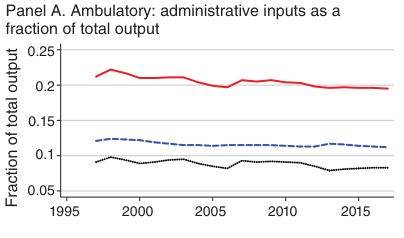
Administrative input shares in ambulatory health care
Abstract for Administration above Administrators: The Changing Technology of Health Care Management

This paper measures the costs and types of administrative inputs in health care. We use data on labor and nonlabor inputs by industry and categorize them as administrative or not. We find that nonlabor inputs are a critical part of administrative spending, over and above labor inputs. Trends in nonlabor administrative input spending have differed dramatically from that of labor input spending for hospitals over the last 20 years. Hospitals have substituted away from office workers and toward externally purchased inputs. The share of managers and technical workers in administration has grown. The technology of health care administration is changing.

Does Medicare Part D Save Lives?

with Abe Dunn

American Journal of Health Economics 5(1) p. 126-164. Winter 2019

Coverage in The Wall Street Journal

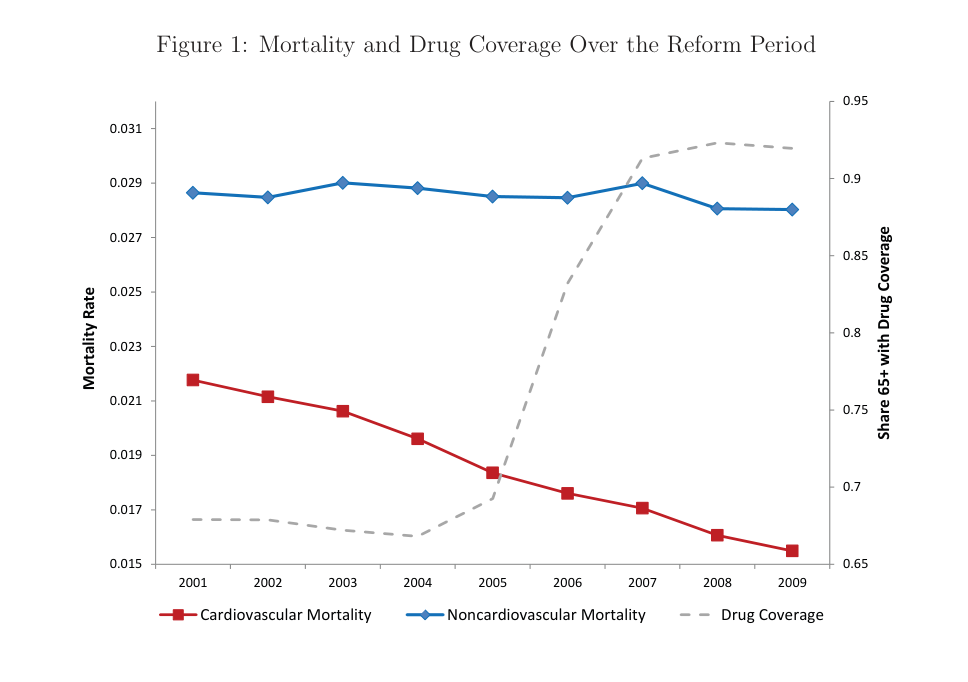
Mortality and drug coverage around Medicare Part D
Abstract for Does Medicare Part D Save Lives?

We examine the impact of Medicare Part D on mortality for the population over the age of 65. We identify the effects of the reform using variation in drug coverage across counties before the reform was implemented. Studying mortality rates immediately before and after the reform, we find that cardiovascular-related mortality drops significantly in those counties most affected by Part D. Estimates suggest that up to 26,000 more individuals were alive in mid-2007 because of the Part D implementation in 2006.

Physician Competition and the Provision of Care: Evidence from Heart Attacks

with Abe Dunn

American Journal of Health Economics. 4(2) p.226-261. Spring 2018.

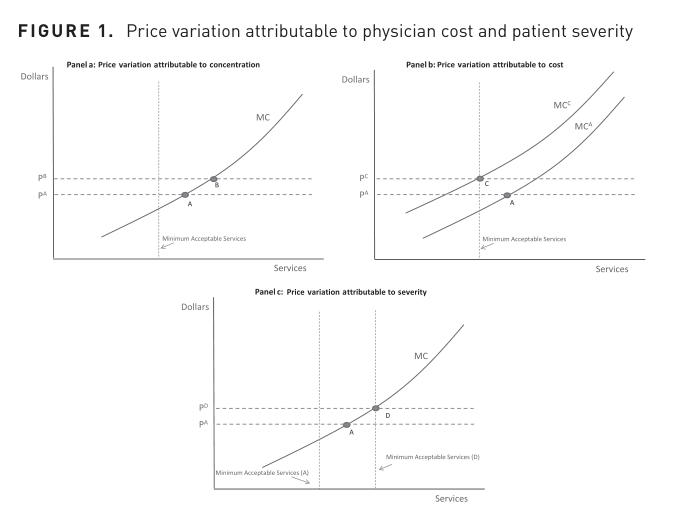
Physician cost, negotiated prices and patient severity
Abstract for Physician Competition and the Provision of Care: Evidence from Heart Attacks

We study the impact of competition among physicians on service provision and patients’ health outcomes. We focus on cardiologists treating patients with a first-time heart attack treated in the emergency room. Physician concentration has a small but statistically significant effect on service utilization. A one-standard deviation increase in cardiologist concentration causes a 5 percent increase in cardiologist service provision. Cardiologists in more concentrated markets perform more intensive procedures, particularly, diagnostic procedures—services in which the procedure choice is more discretionary. Higher concentration also leads to fewer readmissions, implying potential health benefits. These findings are potentially important for antitrust analysis and suggest that changes in organizational structure in a market, such as a merger of physician groups, not only influences the negotiated prices of services, but also service provision.

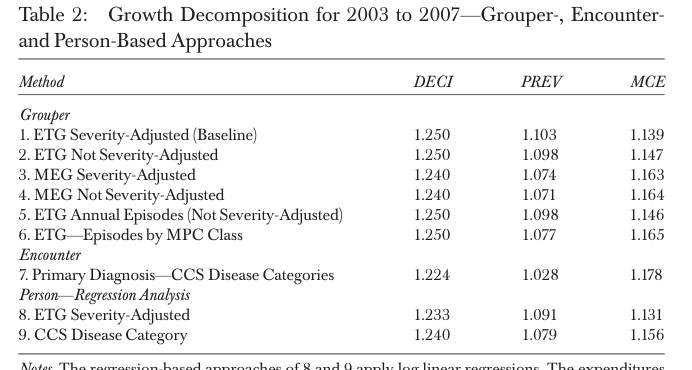
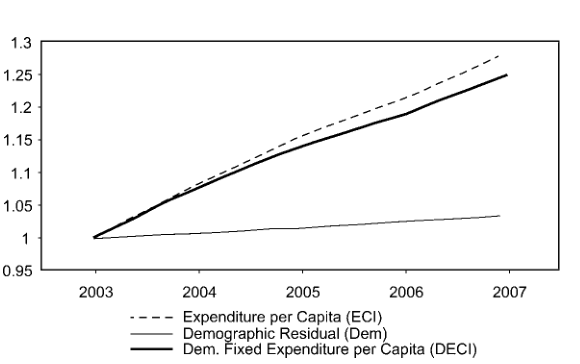
Growth decomposition by disease-episode measurement method
Abstract for Guidelines for Measuring Disease Episodes: An Analysis of the Effects on the Components of Expenditure Growth

Objective. To provide guidelines to researchers measuring health expenditures by
disease and compare these methodologies’ implied inflation estimates.


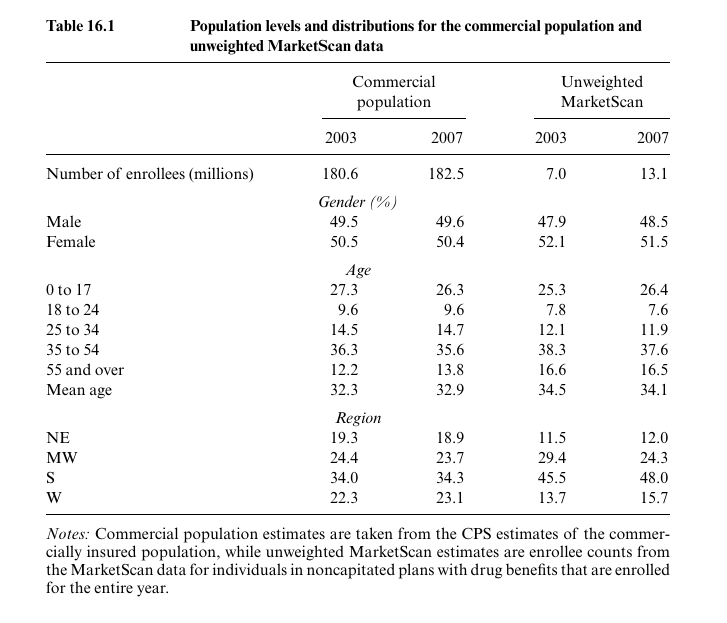
Data Source. A convenience sample of commercially insured individuals over the
2003 to 2007 period from Truven Health. Population weights are applied, based on
age, sex, and region, to make the sample of over 4 million enrollees representative of
the entire commercially insured population.


Study Design. Different methods are used to allocate medical-care expenditures to
distinct condition categories. We compare the estimates of disease-price inflation by
method.


Principal Findings. Across a variety of methods, the compound annual growth rate
stays within the range 3.1 to 3.9 percentage points. Disease-specific inflation measures
are more sensitive to the selected methodology.


Conclusion. The selected allocation method impacts aggregate inflation rates, but
considering the variety of methods applied, the differences appear small. Future
research is necessary to better understand these differences in other population samples
and to connect disease expenditures to measures of quality.

Price Setting and Rapid Technology Adoption: the case of the PC industry

with Adam Copeland

Review of Economics and Statistics. 98, 601-616. July 2016

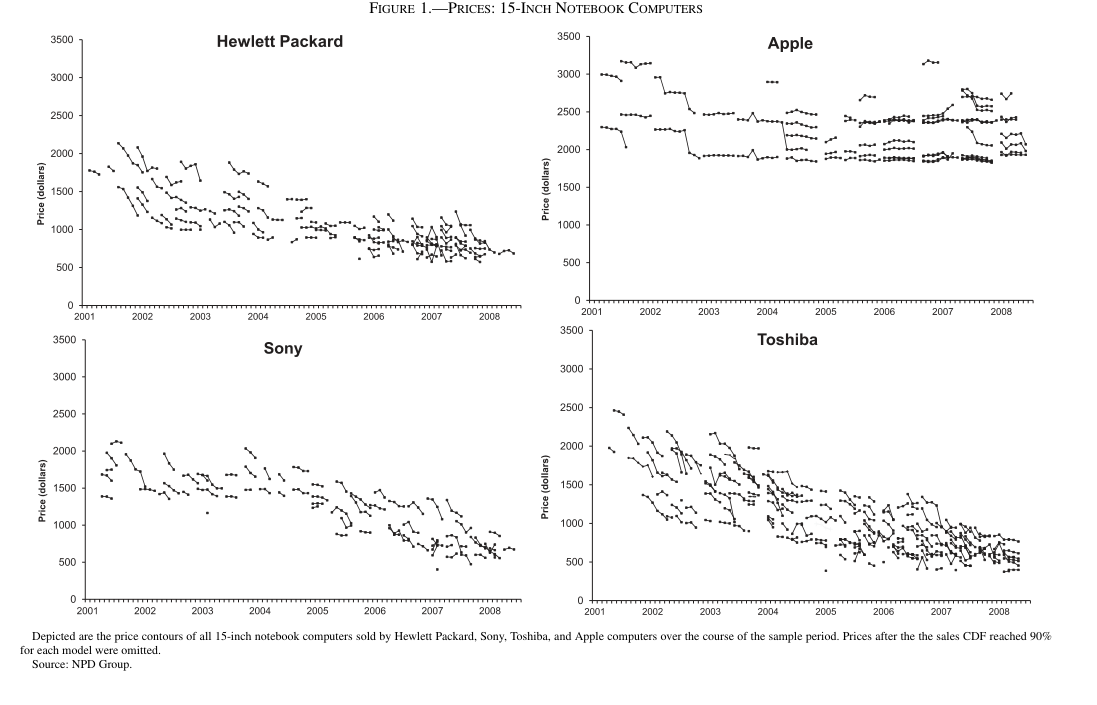
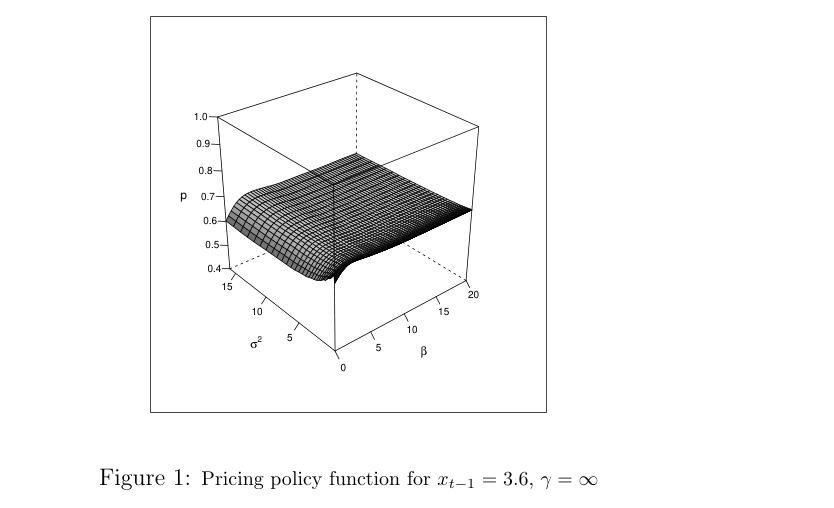
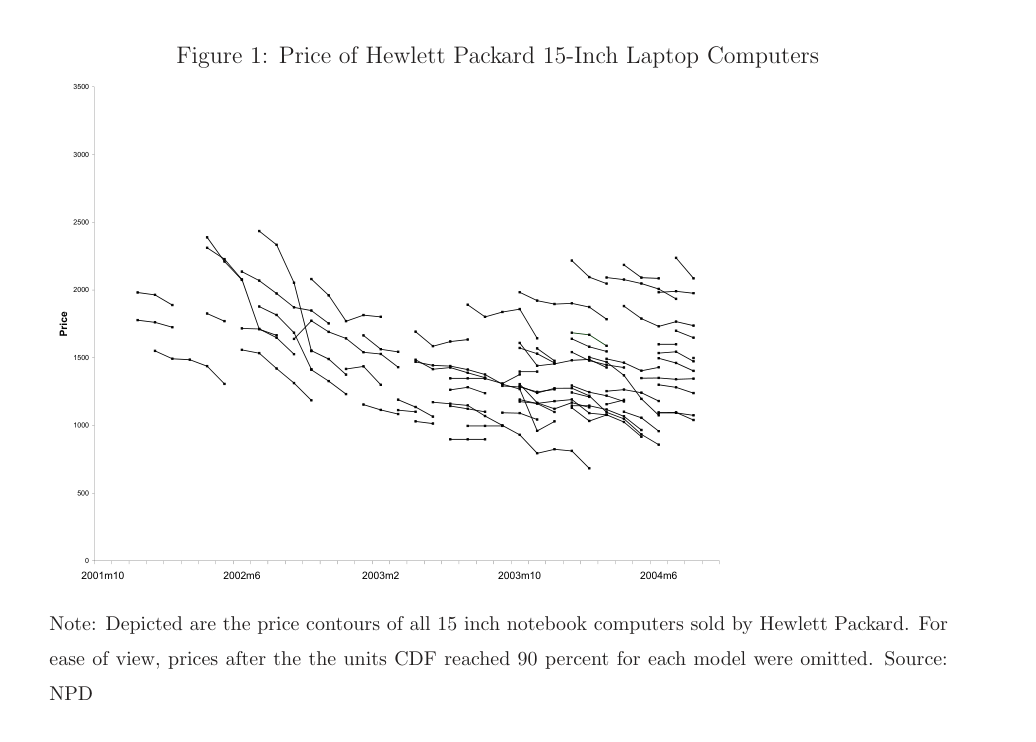
Prices of notebook computers over their product cycles
Abstract for Price Setting and Rapid Technology Adoption: the case of the PC industry

We examine how the confluence of competition and upstream innovation influences downstream firms’ profit-maximizing strategies. We focus on personal computers and use two novel data sets to describe the dramatic fall in both price (27% at an annual rate) and sales of a computer over its product cycle. Further, we document that computers are typically sold for only four months before being replaced by a higher-quality product. To explain these facts, we develop and calibrate a vintage capital model that combines a competitive market structure with an exogenous rapid rate of innovation.

Implications of Utilization Shifts on Medical-Care Price Measurement

with Abe Dunn and Eli Liebman

Health Economics. Vol. 24(5) Pages 539-537. May 2015.

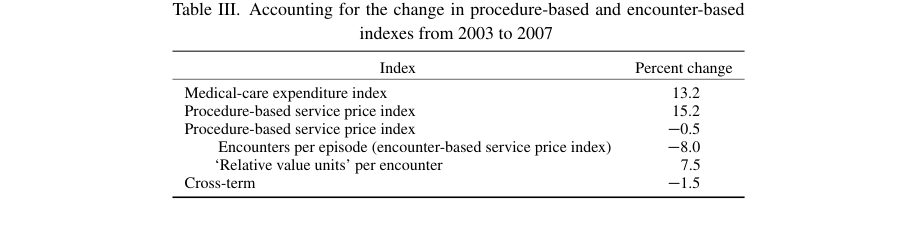
Accounting for changes in medical-care procedures
Abstract for Implications of Utilization Shifts on Medical-Care Price Measurement

The medical-care sector often experiences changes in medical protocols and technologies that cause shifts in treatments. However, the commonly used medical-care price indexes reported by the Bureau of Labor Statistics hold the mix of medical services fixed. In contrast, episode expenditure indexes, advocated by many health economists, track the full cost of disease treatment, even as treatments shift across service categories (e.g., inpatient to outpatient hospital). In our data, we find that these two conceptually different measures of price growth show similar aggregate rates of inflation over the 2003–2007 period. Although aggregate trends are similar, we observe differences when looking at specific disease categories.

Physician Payments Under Health Care Reform

with Abe Dunn

Journal of Health Economics Vol 39 Pages 89-105. January 2015.

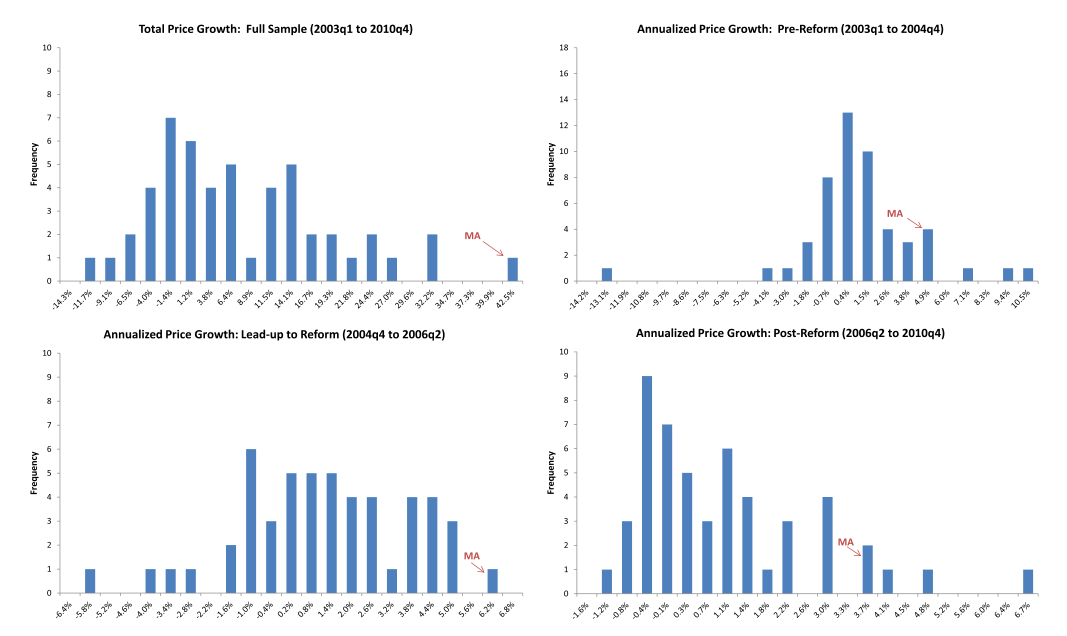
Physician service price growth by state
Abstract for Physician Payments Under Health Care Reform

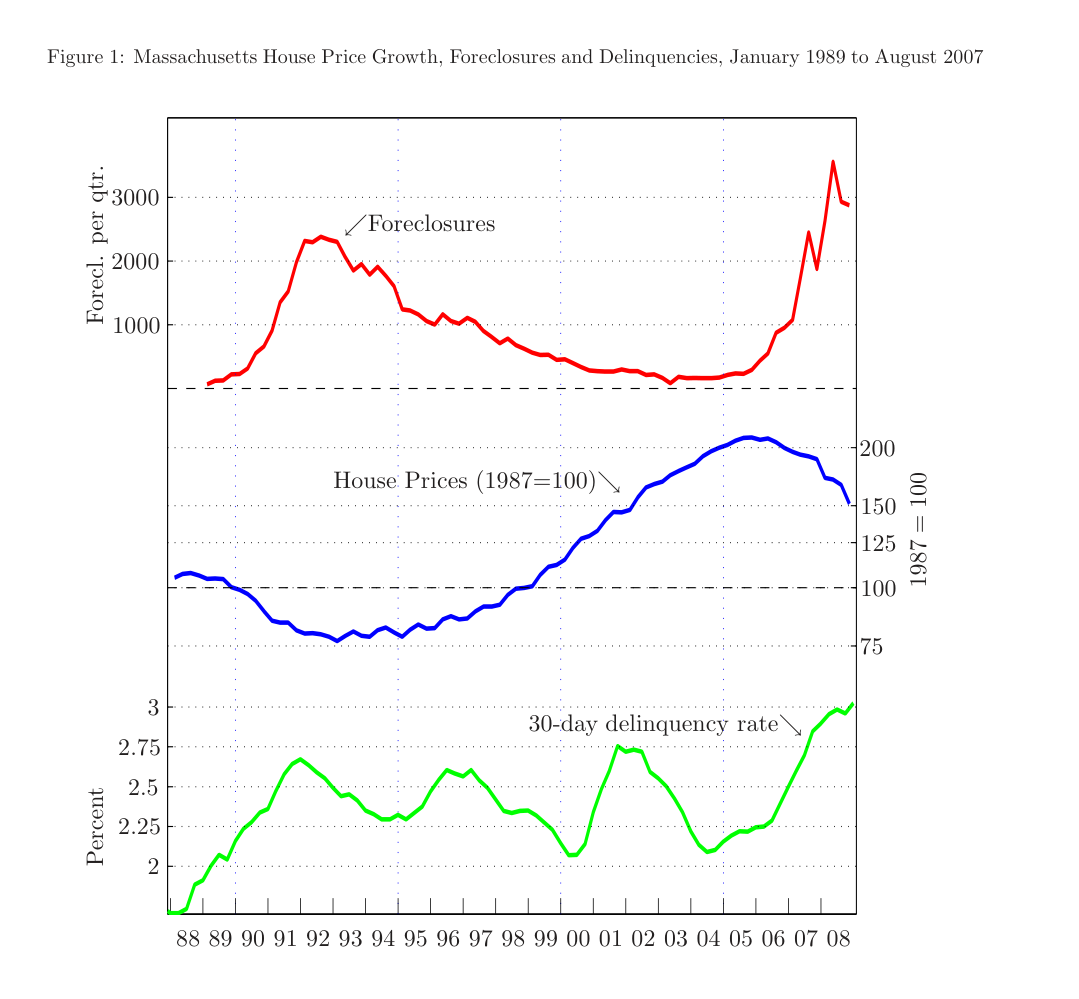
This study examines the impact of major health insurance reform on payments made in the health caresector. We study the prices of services paid to physicians in the privately insured market during theMassachusetts health care reform. The reform increased the number of insured individuals as well asintroduced an online marketplace where insurers compete. We estimate that, over the reform period,physician payments increased at least 11 percentage points relative to control areas. Payment increasesbegan around the time legislation passed the House and Senate—the period in which their was a highprobability of the bill eventually becoming law. This result is consistent with fixed-duration paymentcontracts being negotiated in anticipation of future demand and competition.

Do Physicians Possess Market Power?

with Abe Dunn

Journal of Law & Economics Vol(57) February 2014.

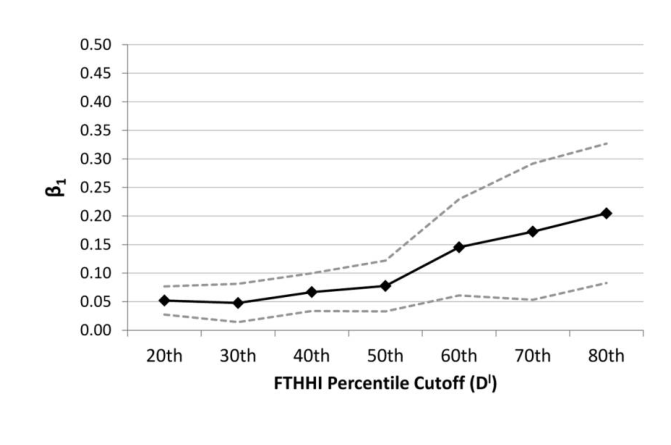
Physician concentration in the cardiology sample
Abstract for Do Physicians Possess Market Power?

We study the degree to which greater physician concentration leads to higher service prices charged by physicians in the commercially insured medical care market. Using a database of physicians throughout the United States, we construct physician-firm concentration measures based on market boundaries defined by fixed driving times, which we label the fixed-travel-time Herfindahl-Hirschman index. We link these concentration measures to health insurance claims. We find that physicians in more concentrated markets charge higher service prices; a physician in the 90th percentile of market concentration will charge 14–30 percent higher fees than a physician in the 10th percentile. Our estimates imply that physician consolidation has caused about an 8 percent increase in fees on average over the last 20 years and substantially higher increases in concentrated markets.

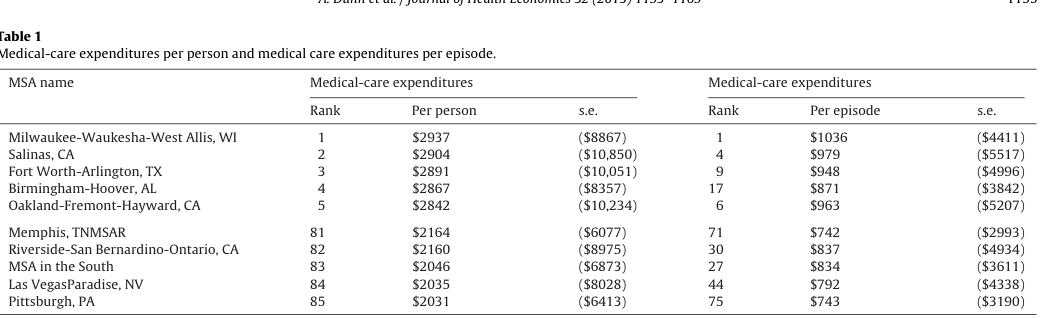
Medical-care expenditures across MSAs
Abstract for Geographic Variation in Commercial Medical-Care Expenditures: A Framework for Decomposing Price and Utilization

This study introduces a new framework for measuring and analyzing medical-care expenditures. The framework focuses on expenditures at the disease level that are decomposed between price and utilization. We find that both price and utilization differences are important contributors to expenditure differences across commercial markets. Further examination shows that for some diseases utilization drives variation while for others price is more important. Finally, when disease-specific measures are aggregated across diseases, much of the important disease-specific variation is masked, leading to much smaller measures of aggregate variation.

Book chapters

Older working papers